
Does Creatine Really Change How Much Sleep You Need? Unpacking the Science
Introduction Creatine has long been a staple for athletes and bodybuilders, celebrated for its abili

SupaGrasp
SupaGrasp
Introduction
Creatine has long been a staple for athletes and bodybuilders, celebrated for its ability to boost strength and muscle growth. However, its reputation is expanding, with growing interest in its potential cognitive benefits. This raises an intriguing question: Does creatine impact how much sleep you actually need, or even the quality of your rest? Many anecdotes suggest it might, but what does the science truly say? We will explore the current scientific understanding of creatine's relationship with sleep, distinguishing between popular claims and evidence-based findings.
Understanding Creatine
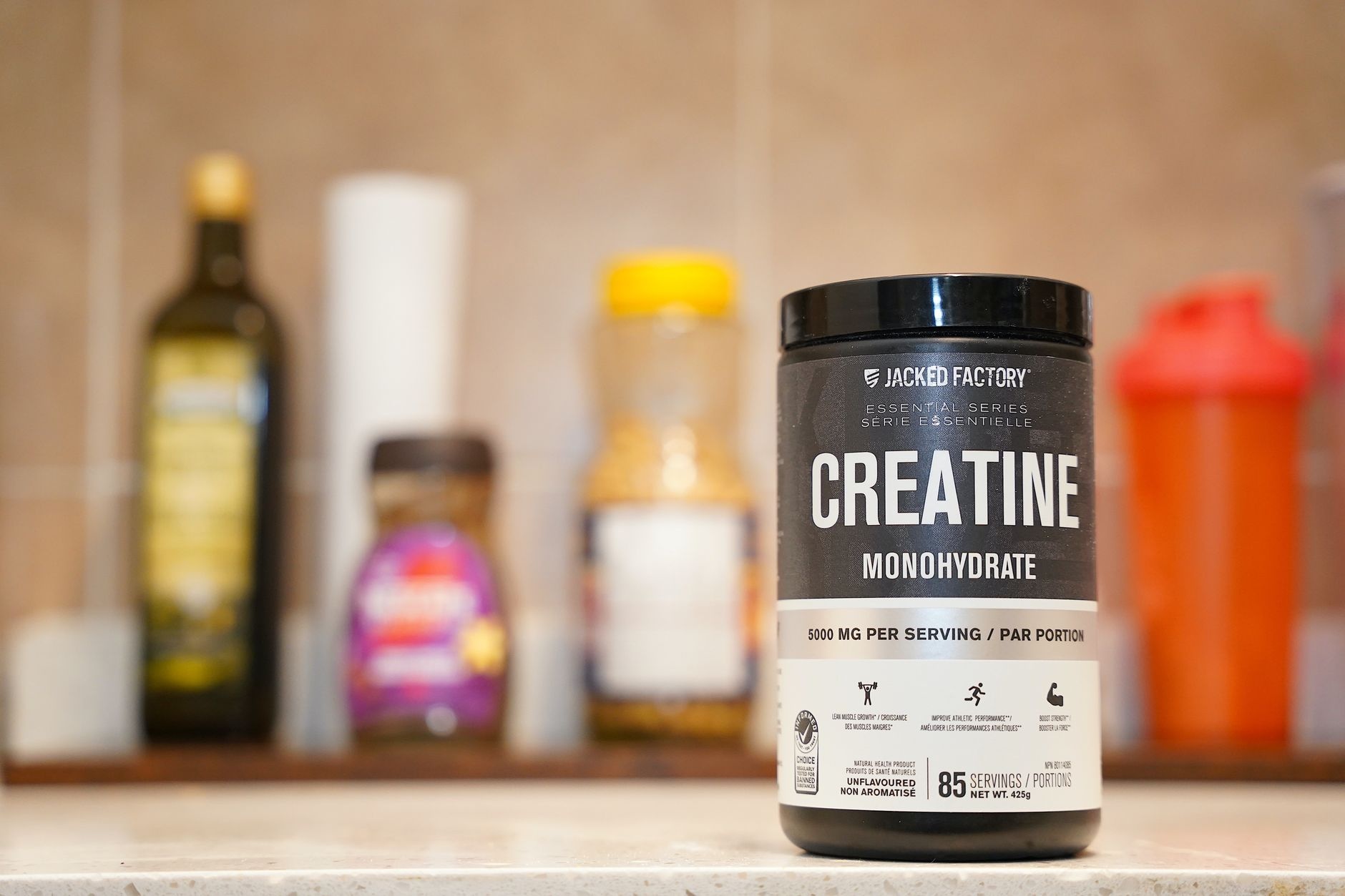
Creatine is a naturally occurring organic compound, primarily found in muscle cells and the brain. Your body produces some of it, and you also get it from foods like red meat and fish. Its main job is to help regenerate adenosine triphosphate (ATP), the primary energy currency of your cells. This rapid energy production is crucial for high-intensity, short-duration activities.
For decades, creatine has been a popular supplement for enhancing athletic performance, increasing muscle mass, and improving strength. More recently, researchers have been investigating creatine's role in cognitive function and overall brain health, given its presence and importance in brain energy metabolism.
Creatine and Sleep: The Current Research
Direct Impact on Sleep Duration/Need
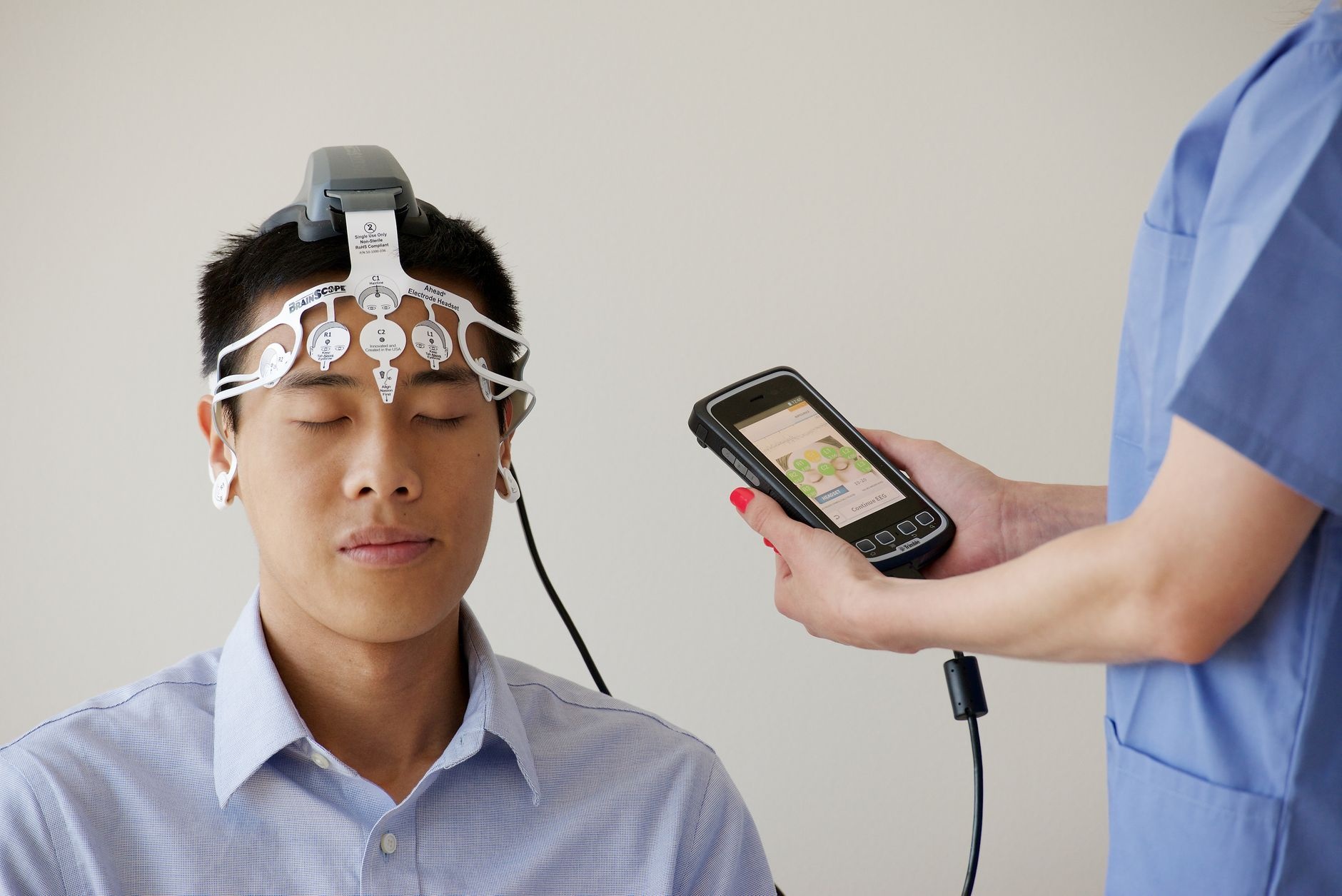
Despite the popular belief that creatine allows you to function optimally on less sleep, direct scientific evidence supporting this claim is limited. Most studies do not show that creatine significantly reduces the amount of sleep a person needs. Instead, research often focuses on how creatine might buffer the negative effects of sleep deprivation on cognitive performance, rather than reducing the need for sleep itself. It does not appear to fundamentally alter the body's requirement for a certain number of hours of rest. The idea that creatine is a
Read more blogs
View all posts →
Future Proof Your Career: Thriving in the Age of AI
AI is reshaping the job market. Discover the technical and human-centric skills you need and the career paths that will remain resilient.

Master ChatGPT: Unlock Its Full Potential and Outperform 99% of Users
Are you truly leveraging ChatGPT? Discover advanced prompting techniques to transform your AI interactions, boost productivity, and achieve unparalleled results.

Unlocking Immediate Joy: Simple Strategies to Cultivate Happiness Today
Many of us fall into the trap of believing happiness is a future reward, something we earn after achieving certain goals. This mindset often leaves us perpetually chasing an elusive ideal. Discover actionable strategies to find joy in the present moment, without needing radical life changes.