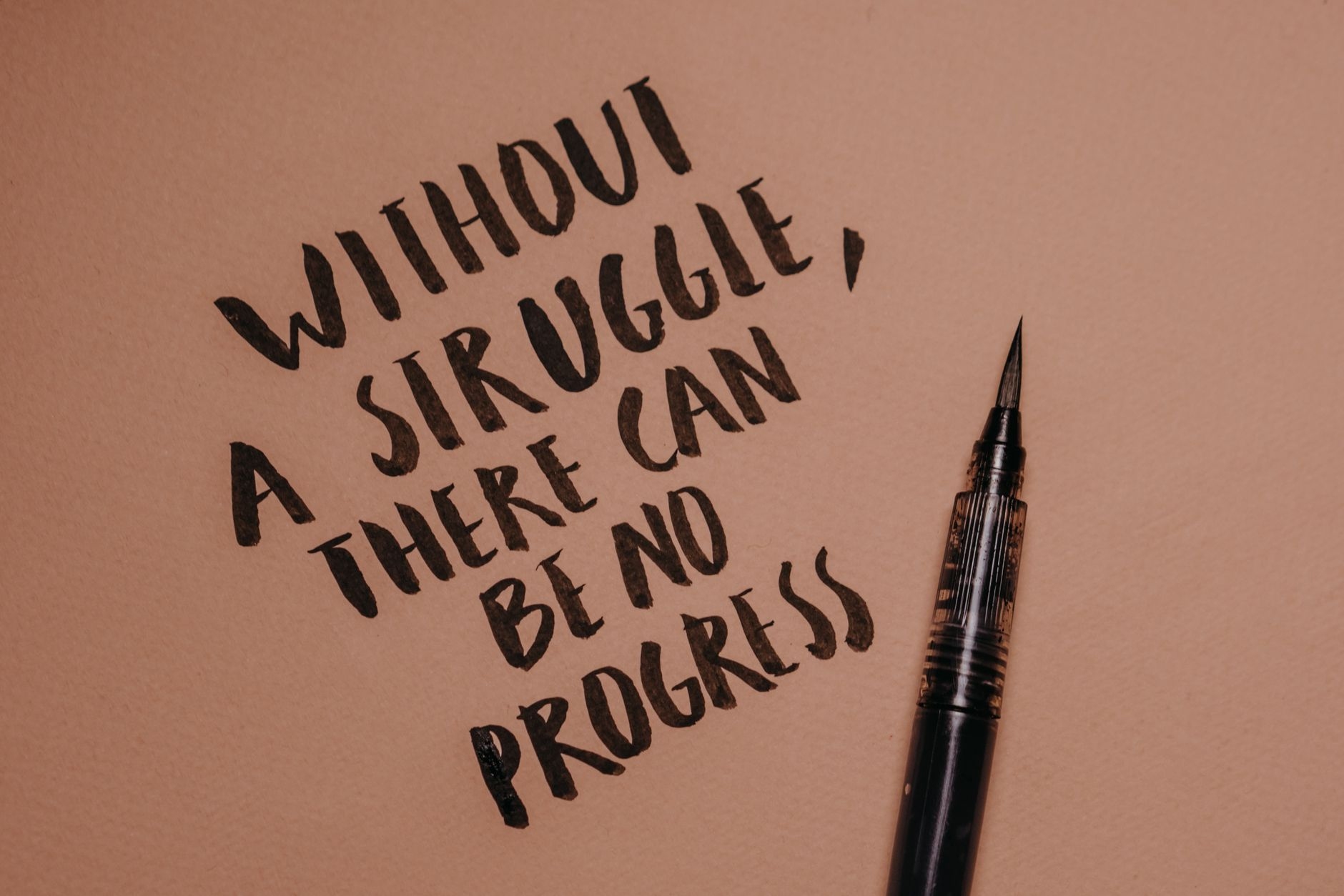
How to Tackle Difficult Tasks When Motivation is Nowhere to Be Found
The Universal Struggle with Motivation We've all been there: staring at a task we know needs doing,

SupaGrasp
SupaGrasp
The Universal Struggle with Motivation
We've all been there: staring at a task we know needs doing, feeling the weight of its importance, yet utterly devoid of the drive to begin. It's a common human experience, a frustrating standoff between intention and inaction. We often wait for a surge of motivation, a burst of energy that will magically propel us forward. However, relying solely on this fleeting emotion is a flawed strategy for achieving any significant goal.
Motivation is a fickle friend; it comes and goes. If we only act when we feel inspired, many crucial tasks would remain undone. This post will explore practical, actionable strategies to overcome inertia and accomplish difficult tasks, even when motivation is at zero. It's about building systems and mindsets that allow you to move forward, regardless of how you feel.
Understanding the Motivation Trap: Common Pitfalls
Before diving into solutions, it's helpful to understand why we get stuck in the first place. Several common pitfalls keep us from starting:
Overthinking: Excessive analysis can paralyze action. We dissect every possible outcome, every potential hurdle, until the task seems insurmountable before we've even begun. This mental gymnastics often leads to inaction.
Waiting for the "Perfect Moment": This is the illusion that ideal conditions are necessary to begin. We tell ourselves we'll start when we have more time, more energy, or when the stars align. The truth is, the perfect moment rarely arrives, and waiting for it is a sophisticated form of procrastination.
Over-reliance on Willpower: Willpower is a finite resource. Like a muscle, it can be fatigued. Expecting to power through every difficult task with sheer willpower alone is an unsustainable approach and sets us up for failure.
Mistaking Focus for Motivation: Focus is about sustained attention and endurance, not just a feeling of enthusiasm. You can be focused on a task even if you don't feel particularly motivated to do it. Understanding this distinction is crucial.
Strategies for Action When Motivation is Low
The "1-Second Rule" / Just Start
The biggest hurdle is often just starting. Focus on the absolute smallest first step. This could be as simple as opening the relevant document, putting on your workout clothes, or writing down one sentence. The goal is to reduce the friction to starting to almost zero. Once you're in motion, even a tiny bit, it's easier to continue.
Focus on the Bigger Picture
When a task feels overwhelming or unappealing, connect it to your long-term goals and values. Remind yourself *why* this task matters. How does it contribute to your larger vision, your personal growth, or your ultimate objectives? This broader perspective can provide a powerful, intrinsic push.
Slow Down Your Mornings
Rushing into your day can create immediate overwhelm. Instead, create a calm, intentional start. Avoid immediately checking emails or social media. Prioritize mental clarity through a quiet routine, perhaps involving a few minutes of meditation or simply enjoying a cup of coffee in silence. A calm start can set a more productive tone for the entire day.
Adopt a "Screw It" Mentality

Perfectionism is a silent killer of progress. Embrace imperfection and let go of the need for everything to be flawless. Sometimes, the best way to get something done is to simply do it, even if it's not perfect. Prioritize completion over flawless execution; you can always refine later.
Adjust Expectations and Plan for Failure
Acknowledge that not every session or effort will be great. Some days you'll be highly productive, others less so. The key is to focus on showing up consistently, even if your performance varies. Understand that setbacks are part of the process, and don't let them derail your overall commitment.
Use "Sprint Routines"
For dull or difficult tasks, allocate specific, short time blocks. Work intensely for a set period, then take a break. Techniques like the Pomodoro Technique (25 minutes of focused work, 5-minute break) can be incredibly effective. These sprints make daunting tasks feel more manageable and prevent burnout.
Building Sustainable Habits and a Resilient Mindset
Prioritize the Basics
Your ability to tackle hard things is deeply connected to your overall well-being. Prioritize:
Exercise: Move your body daily, even if it's just a short walk. Physical activity boosts mood and energy.
Sleep: Consistent, quality sleep is crucial for mental clarity, focus, and physical energy.
Journaling: Reflect and gain clarity on your thoughts and feelings. It can help process challenges and identify solutions.
Learning: Continuous growth fuels purpose and keeps your mind engaged.
Progress: Focus on small, consistent steps forward. Celebrate these small wins to build momentum.
Reduce Distractions
In our hyper-connected world, distractions are everywhere. Turn off non-essential notifications, close unnecessary tabs, and create an environment conducive to focus. A dedicated workspace, even a small one, can signal to your brain that it's time to work.
Embrace Discomfort
Hard things are, by definition, uncomfortable. Instead of waiting for comfort, accept that discomfort is part of the process. Develop mental endurance by leaning into these challenging moments. The more you practice, the easier it becomes to tolerate and even thrive in discomfort.
The Power of Clarity (Mental Models)
When overwhelmed, use frameworks or mental models to make better decisions. Taking a moment to gain clarity, perhaps by writing down your options or breaking down a problem, allows for calmer, more effective decision-making. Time spent gaining clarity is rarely wasted.
Conclusion: Action Over Emotion
The journey to accomplishing difficult tasks is not paved with constant motivation, but with consistent action. It's about understanding that feelings are temporary and that progress comes from showing up, even when you don't feel like it. By implementing strategies like the "1-second rule," focusing on the bigger picture, and building sustainable habits, you can cultivate a resilient mindset that prioritizes doing over feeling.
Don't wait for inspiration to strike. Take the first small step, trust the process, and build momentum through consistent effort. Your future self will thank you for choosing action over emotion.
Read more blogs
View all posts →
Future Proof Your Career: Thriving in the Age of AI
AI is reshaping the job market. Discover the technical and human-centric skills you need and the career paths that will remain resilient.

Should You Still Learn to Code in 2026? The Enduring Value of Computational Thinking
Introduction The world of technology is in constant motion, evolving at a breathtaking pace. With advancements in artificial intelligence and automation, a...

The Unvarnished Truth: Building a Life of Substance
Discover the "boring truth" about what truly makes a good life. It's less about fleeting happiness and more about consistent action, mindful perception, and embracing the journey.