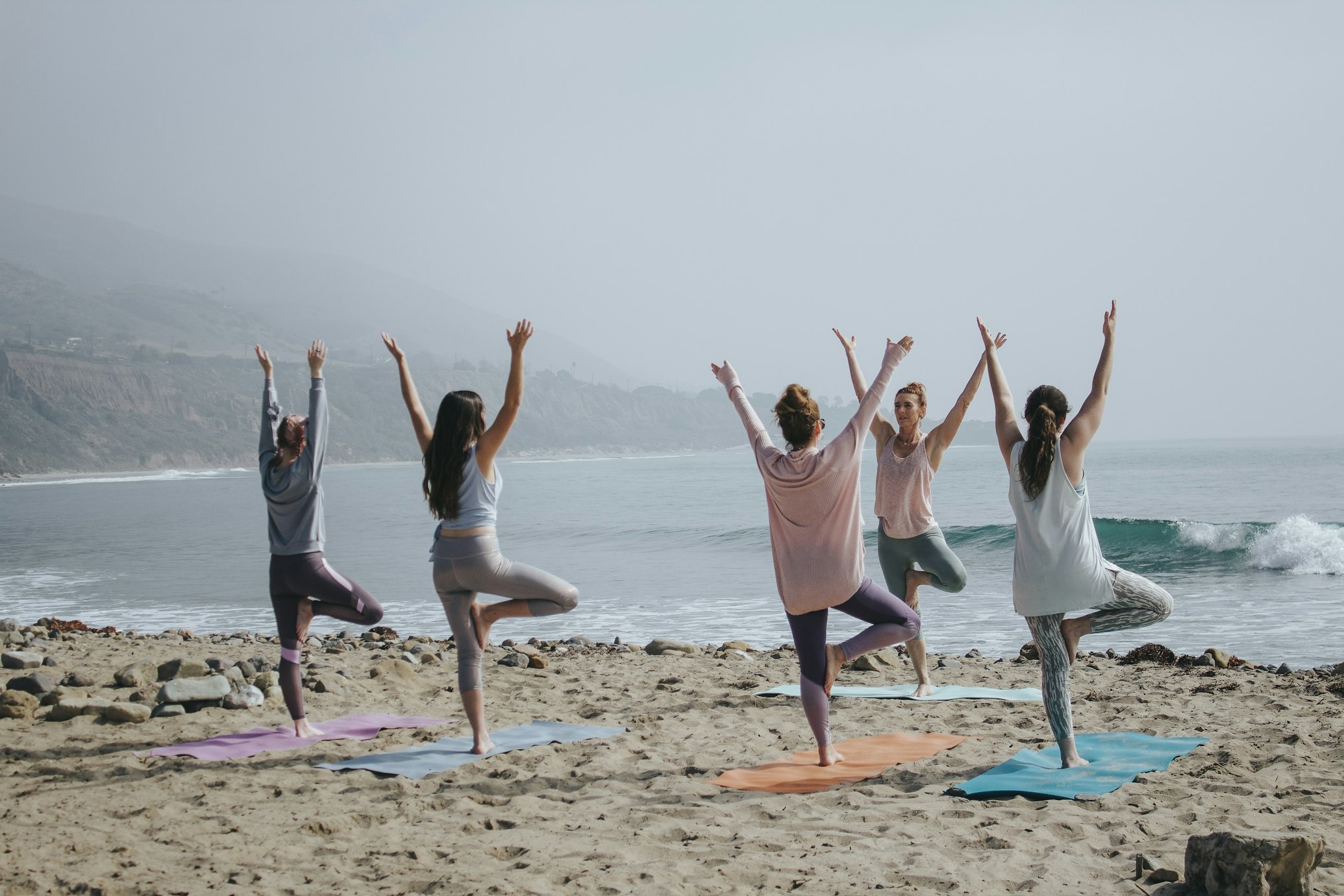
How Old Is Your Body, Really? The Simple Single-Leg Test Reveals All
Beyond the calendar: Discover your biological age with a quick balance check.

SupaGrasp
SupaGrasp
Beyond the Calendar Years: What Your Body's Age Really Means
Ever wondered if your body feels older or younger than your birth certificate suggests? We all have a chronological age, the number of years we've lived. But there's another, often more telling, age: your biological age. This reflects the physiological state of your cells and tissues, indicating how well your body is actually functioning.
The good news? You don't need complex lab tests to get a surprising insight into your biological age. A simple, at-home test involving nothing more than standing on one leg can offer a powerful glimpse into your overall health and longevity.
The Simple Test: Stand on One Leg and Find Out
Ready to discover what your balance reveals? Here's how to perform the single-leg stance test:
- Preparation: Find a firm, flat surface. Remove your shoes and socks for better proprioception.
- Position: Stand upright, lift one leg, bending the knee so your foot is off the ground. You can keep your arms at your sides or crossed over your chest.
- Time It: Start a timer as soon as your foot leaves the ground.
- Hold: Maintain your balance for as long as possible.
- Stop: Stop the timer if you put your lifted foot down, touch your standing leg, or move your arms out for balance.
- Repeat: Rest, then repeat the test with the other leg.
This seemingly simple act is a quick assessment of several crucial bodily systems: your balance, proprioception (your body's sense of its position in space), and core stability.
What Your Balance Reveals About Your Health
Your ability to stand on one leg is far more than just a party trick. It's a complex interplay of multiple bodily systems working in harmony:
- Vision: Your eyes provide crucial information about your surroundings and your position within them.
- Vestibular System: Located in your inner ear, this system senses head movements and spatial orientation, helping you stay upright.
- Somatosensory System: Feedback from your muscles, joints, and skin tells your brain about your body's position and movement.
- Muscle Strength: Particularly in your core, hips, and lower limbs, strong muscles are essential for maintaining stability.
Studies consistently show a clear decline in single-leg stance time with increasing chronological age. This decline, especially noticeable in the non-dominant leg, is a strong indicator of accelerated biological aging processes.
Biological Age: More Than Just Numbers
While your chronological age is fixed, your biological age is dynamic and can be influenced by lifestyle. A shorter single-leg stance time can suggest a biological age older than your chronological age, indicating that your body's systems might be aging faster than they should.
Poor balance is often linked to several underlying health markers:
- Reduced muscle strength and power, particularly in the legs and core.
- Decreased bone density, increasing the risk of fractures.
- Slower reaction times, making it harder to recover from a stumble.
- Potential neurological decline, as the brain's ability to process balance signals diminishes.
Real World Impact: When Balance Fails
The consequences of poor balance extend far beyond a simple test. They can profoundly impact daily life and overall well-being.
Increased Risk of Falls
Falls are a leading cause of injury, especially for older adults, often leading to fractures, head injuries, and hospitalizations. A significant predictor of fall risk is, you guessed it, poor balance.
Reduced Quality of Life
Consider Sarah, a vibrant 70-year-old who used to love gardening. Lately, she finds herself hesitant to step onto uneven ground in her backyard, fearing a stumble. She's started relying heavily on her son for grocery runs, especially when navigating crowded aisles. Her once-independent life is slowly being constrained, not by a major illness, but by a subtle yet significant decline in her balance. This isn't just about avoiding a fall; it's about maintaining her freedom and joy in everyday activities.
Fear of falling can lead to reduced mobility and social isolation. Difficulty with daily tasks like walking, climbing stairs, or carrying groceries can chip away at independence and overall quality of life.
Improving Your Balance: It's Never Too Late
The good news is that balance is a skill, and like any skill, it can be improved with practice, regardless of your age. Incorporating balance exercises into your routine can help you maintain a younger biological age and enhance your daily life.
Simple Exercises to Start Today:
- Practice the Single-Leg Stance: Start by holding onto a counter or chair, then gradually reduce support as you get stronger. Aim to increase your hold time each day.
- Heel-to-Toe Walking: Walk in a straight line, placing the heel of one foot directly in front of the toes of the other.
- Tai Chi or Yoga: These practices are excellent for improving balance, flexibility, and core strength through slow, deliberate movements.
- Strength Training: Focus on exercises that strengthen your core and leg muscles, such as squats, lunges, and calf raises.
Lifestyle Adjustments:
- Regular Physical Activity: Stay active to maintain muscle strength and overall fitness.
- Maintain Good Vision: Regular eye exams and updated prescriptions are crucial for balance.
- Consult a Doctor: If you experience persistent balance issues or frequent dizziness, consult your healthcare provider to rule out underlying medical conditions.
Conclusion: Take Control of Your Body's Age
The single-leg stance test is a simple yet powerful indicator of your biological age and overall health. It's a reminder that how well your body functions can be more important than the number of candles on your birthday cake.
By understanding what your balance reveals and actively working to improve it, you can take proactive steps to support a younger, healthier biological age, reduce your risk of falls, and enhance your quality of life for years to come. So, go ahead, stand on one leg and start your journey to better balance today!
Read more blogs
View all posts →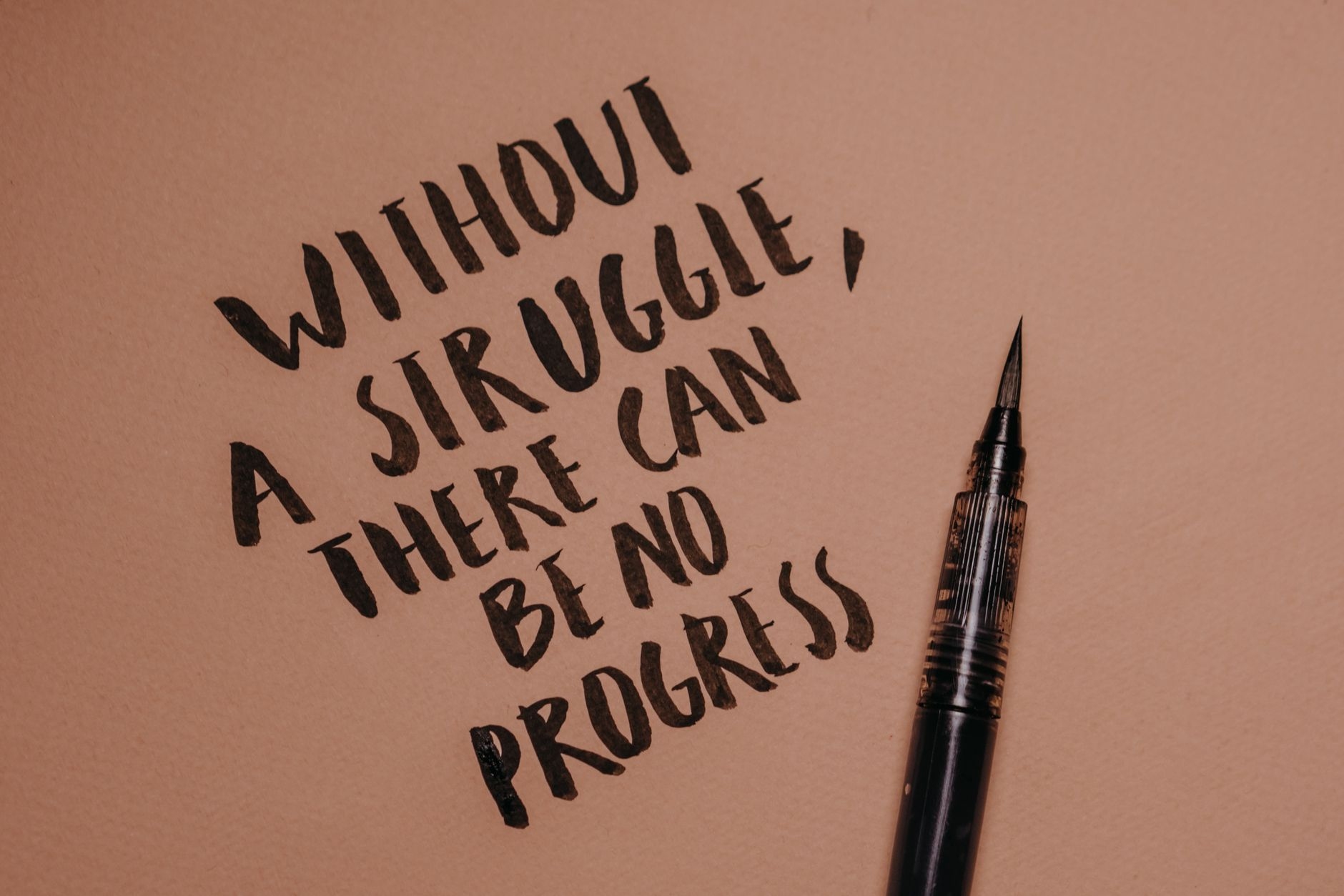
How to Tackle Difficult Tasks When Motivation is Nowhere to Be Found
The Universal Struggle with Motivation We've all been there: staring at a task we know needs doing, feeling the weight of its importance, yet utterly devoid of...
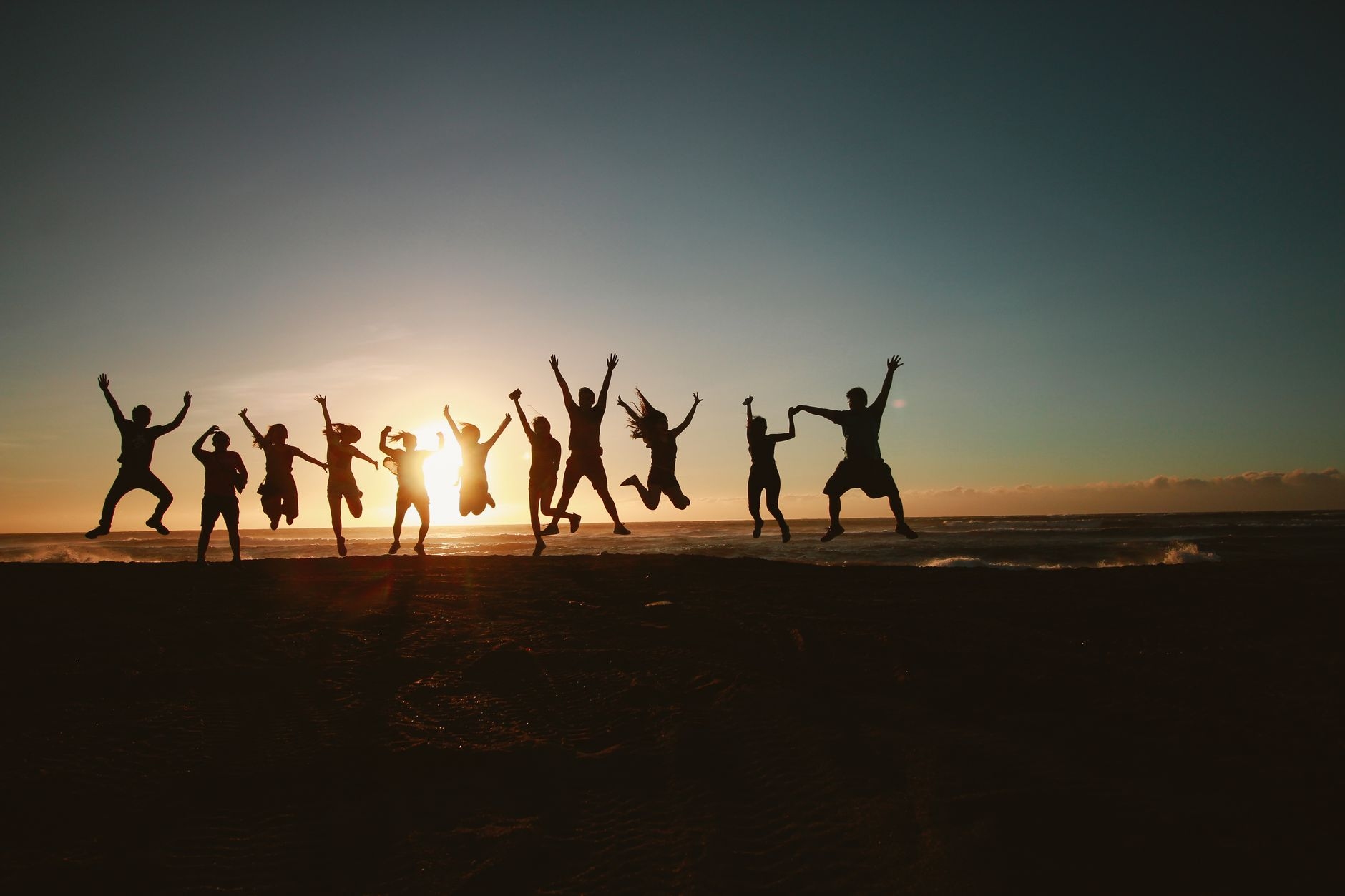
Unlocking Immediate Joy: Simple Strategies to Cultivate Happiness Today
Many of us fall into the trap of believing happiness is a future reward, something we earn after achieving certain goals. This mindset often leaves us perpetually chasing an elusive ideal. Discover actionable strategies to find joy in the present moment, without needing radical life changes.
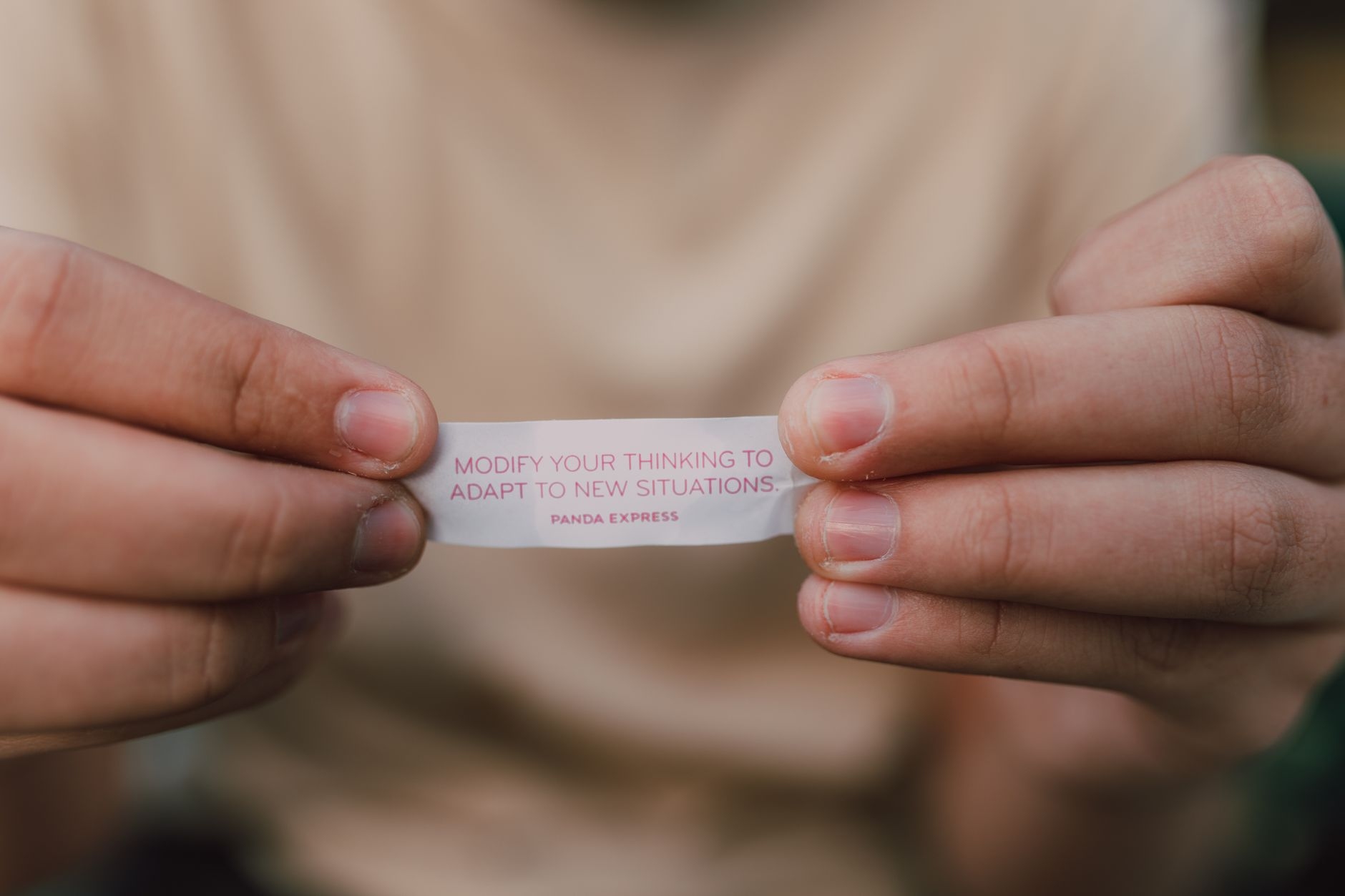
The Wealth Myth: Why Hard Work Doesn’t Make You Rich (And What It’s Actually For)
Hard work alone rarely builds wealth, but expecting it to misses its true purpose. Discover why financial success requires leverage while effort builds character, skill, and mastery.